100 Bookshelve Home Libraries Photophop: Elevate Your Digital Art with Precision and Style
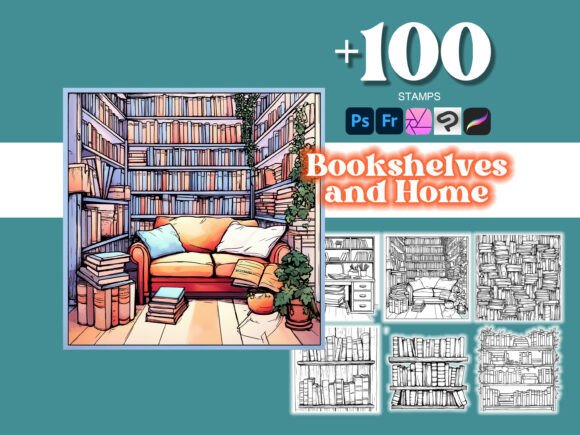
For digital artists, illustrators, and design enthusiasts, the 100 Bookshelve Home Libraries Photophop collection offers a powerful toolkit to enhance creative projects. Designed for use in Photoshop, Illustrator, and compatible programs like Procreate, this set delivers over 100 high-quality brushes that bring depth, realism, and detail to your artwork. Whether you're designing bookshelves for a home library concept, creating background elements for a novel cover, or crafting intricate interior scenes, these brushes can significantly streamline your workflow and elevate your final output.
What Makes 100 Bookshelve Home Libraries Photophop Unique?
This collection stands out due to its attention to detail and cross-platform flexibility. Each brush is crafted to ensure crisp, scalable results without compromising on quality. The inclusion of both .abr (Photoshop) and .brushset (Procreate) formats means you can work seamlessly across desktop and mobile environments. It's especially valuable for creators who switch between devices or need consistent results across different projects.
Moreover, the variety of brush styles—from realistic wood textures to detailed book spines—allows for a wide range of applications. Whether you're designing a cozy reading nook for a client or adding library elements to a fantasy book cover, this set provides the tools to make your vision come to life with minimal effort.
Common Mistakes When Using 100 Bookshelve Home Libraries Photophop
While the 100 Bookshelve Home Libraries Photophop collection is a powerful asset, users—especially those new to digital brushes—can make several missteps that impact their results. Here are some of the most common issues and how to avoid them:
1. Assuming All Brushes Work the Same Across Programs
One of the biggest misconceptions is that brushes will behave identically in Photoshop, Illustrator, or Procreate. While the 100 Bookshelve Home Libraries Photophop set is cross-compatible, each program handles brush dynamics differently. For example, Photoshop supports more advanced brush settings than Procreate, which can affect texture, opacity, and blending.
Better approach: Take time to test each brush in your preferred software. Adjust settings like flow, opacity, and layer blending modes to get the most realistic and usable results. Don’t assume a brush that looks great in Photoshop will perform the same way in Procreate without tweaking.
2. Overlooking Brush Organization and Naming
With over 100 brushes, it's easy to feel overwhelmed. Many users skip organizing the brushes into folders or renaming them according to their function, leading to wasted time and confusion during design sessions.
Better approach: Spend a few minutes organizing the brushes by category (e.g., shelves, books, textures) and rename them for clarity. This small step can save hours in the long run and help maintain a clean, efficient workflow.
3. Not Checking File Compatibility Before Purchase
Some buyers assume that the brushes will work with their software without verifying compatibility. While the 100 Bookshelve Home Libraries Photophop set supports Photoshop, Illustrator, GIMP, Krita, and Procreate, not all features may be available in every program.
Better approach: Review the compatibility details before downloading or purchasing. If you're using a less common program, test a sample brush if available to ensure it functions as expected.
4. Using Brushes Without Understanding Layer Management
Digital brushes, especially detailed ones, often require thoughtful layer management. Users who apply brushes directly on the main canvas without using separate layers may struggle with editing or adjusting elements later.
Better approach: Always apply brushes on individual layers. This allows for non-destructive editing, easier color adjustments, and better blending with other design elements. It also helps maintain a clean and organized project file.
5. Ignoring the Need for Texture and Lighting Consistency
Another common issue is using brushes without considering how they fit into the overall lighting and texture of the scene. For instance, applying a wood-textured shelf brush into a scene lit from the left without adjusting the brush’s shadow direction can break the illusion of realism.
Better approach: Use layer masks, adjustment brushes, and blending modes to integrate the brush elements naturally into your scene. Pay attention to light direction, perspective, and surface texture to maintain a cohesive look.
What to Check Before Using 100 Bookshelve Home Libraries Photophop
Before diving into your project, consider the following points to ensure smooth and effective use of the 100 Bookshelve Home Libraries Photophop collection:
- Software version: Make sure your software is updated to support the latest brush features.
- Brush file format: Confirm you're using the correct file format for your program (.abr for Photoshop, .brushset for Procreate).
- Brush preview: Some brushes may not display correctly in the brush panel until you test them on the canvas.
- Brush size and resolution: For best results, use brushes at their intended scale. Enlarging them too much can cause pixelation.
- Licensing: Verify the usage rights, especially if you're using the brushes for commercial projects or client work.
Final Thoughts: Make the Most of 100 Bookshelve Home Libraries Photophop
The 100 Bookshelve Home Libraries Photophop set is a versatile and valuable resource for any digital artist or designer. By understanding how to use the brushes effectively and avoiding common pitfalls, you can unlock their full potential and create more polished, professional-looking artwork.
Remember, the key to getting the most out of this collection is not just the brushes themselves, but how you use them. Take time to experiment, organize, and refine your approach. With a bit of practice and attention to detail, you'll be able to create stunning, library-inspired designs that stand out and impress your audience.